
Man and Nature
The environment is everything that surrounds us and creates the natural conditions necessary for life on Earth. It includes air, water, soil, plants, animals, mountains, forests, seas, rivers and even humans themselves. Every living organism — from the smallest insect to human beings — depends on a healthy and stable environment. We breathe air, drink water, eat food that grows in soil and we use resources from nature every single day. Unfortunately, the relationship between humans and nature is no longer balanced. While nature gives us everything we need to survive, humans often take more than the Earth can replace and damage the environment in many ways. In recent decades, environmental problems have become one of the most serious issues facing our planet.
Pollution is one of the most visible results of human activity. It can take several forms, but the three main categories are air pollution, water pollution and land (soil) pollution. Air pollution is caused mainly by factories, power stations and vehicles that burn fossil fuels such as coal, oil and gas. When these substances burn, they release dangerous gases, for example carbon dioxide, carbon monoxide, methane and sulphur dioxide. These gases damage the atmosphere and make the air dangerous to breathe. In many large cities, a cloud of smog hangs over the streets, especially during winter when heating systems work at full power. Air pollution can lead to asthma, allergies, respiratory diseases and many serious health problems. It also contributes to bigger global issues such as the greenhouse effect and climate change.
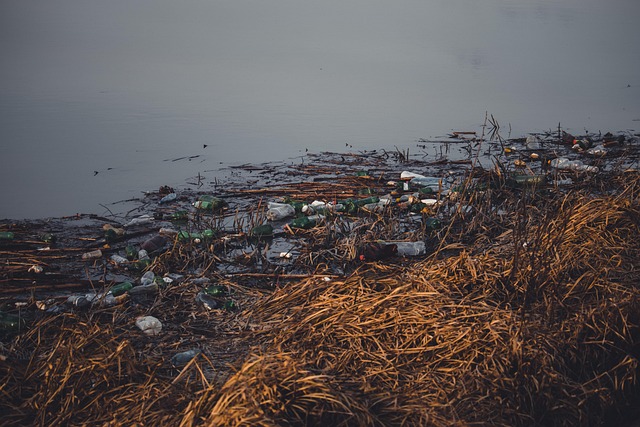
Water pollution is another major concern. Rivers, lakes and oceans are polluted by industrial waste, chemicals from agriculture, sewage, oil spills and plastic materials. Farmers use pesticides and fertilizers to protect crops and increase the harvest, but these substances wash off into streams and rivers, poisoning fish and other organisms. Factories sometimes dump toxic waste illegally into water sources. In oceans, huge islands of plastic waste float, endangering sea animals such as dolphins, turtles or whales. Animals often swallow pieces of plastic, which leads to slow and painful death. Polluted water is dangerous not only for animals but also for humans, because many people rely on lakes and rivers for drinking water.
Land pollution affects the soil that we need for growing crops. Waste from households, shops and companies produces enormous amounts of rubbish every year. Plastics, electronic waste and chemical materials end up in landfills, where they can take decades or even centuries to decompose. Soil also becomes contaminated by chemicals used in modern farming, and as a result, the fertility of the land decreases, meaning it becomes harder to grow healthy crops.
These forms of pollution have serious consequences. One of the most discussed environmental problems today is global warming, which means that the average temperature of the Earth’s atmosphere is gradually rising. The main reason is the excessive amount of greenhouse gases released by human activity. Greenhouse gases prevent heat from escaping the atmosphere, creating what is known as the greenhouse effect. As a result, the Earth becomes warmer, and this leads to a chain reaction of problems. Ice caps in the Arctic and Antarctica are melting, sea levels are rising and many islands and coastal areas are threatened by flooding. Cities such as Venice, New York or Miami could face serious problems in the future.
Climate change is closely connected with the increasing number of natural disasters. When temperatures change, weather patterns also change. Deserts become larger, forests dry out and countries experience more extreme events such as droughts, hurricanes, tornadoes, floods and wildfires. For example, Australia and California have suffered massive forest fires that destroyed homes, killed animals and forced thousands of people to flee. Tropical regions have seen stronger and more frequent hurricanes and typhoons. Floods destroy houses, crops and roads, and cost billions in damage. Scientists agree that if we do not reduce pollution, natural disasters will become even more common and dangerous.
Another environmental problem caused by pollution is the ozone hole, which appeared mainly above Antarctica. The ozone layer protects us from harmful ultraviolet radiation from the sun. Certain chemicals used in aerosols and old refrigerators damaged the ozone layer, allowing more UV rays to reach the Earth’s surface. Although the ozone hole is slowly shrinking because of international agreements, it shows how human activity can threaten the entire planet.
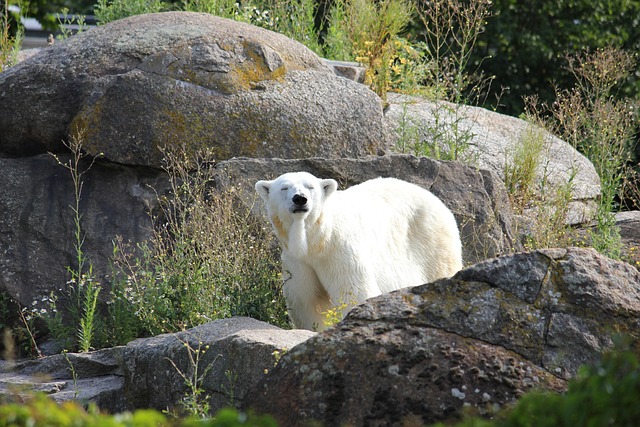
Loss of biodiversity is another consequence of pollution and climate change. Habitats such as rainforests, coral reefs, wetlands and polar regions are disappearing. Animals lose their homes and food sources, which leads to extinction. Species such as tigers, polar bears, rhinoceroses, elephants, pandas and many marine animals are in danger. Once a species disappears, it is lost forever, and ecosystems become weaker and less able to survive.
Fortunately, there are ways to fight pollution and protect nature. One of the most useful principles is the R-R-R principle, which stands for Reduce, Reuse and Recycle. Reduce means that we should try to produce less waste and consume fewer unnecessary products. For example, buying fewer clothes, taking shorter showers or turning off lights when we don’t need them saves energy and resources. Reuse means that instead of throwing objects away, we should try to use them again — for example, carrying reusable bags instead of plastic bags, refilling water bottles or donating clothes instead of throwing them in the bin. Recycle means sorting waste properly so that materials such as paper, plastic, glass and metal can be processed and turned into new products. Recycling saves raw materials and reduces the amount of rubbish in landfills.
Of course, protecting nature isn’t only the responsibility of governments. Every individual can make small changes in daily life that, when combined, make a huge difference. We can save electricity, avoid wasting water, separate garbage, bring our own shopping bags, buy local food, walk or cycle instead of driving everywhere and use public transport if possible. Instead of buying plastic bottles every day, we can use one reusable bottle. Repairing things instead of buying new ones reduces waste too. These changes require only a little effort but help the environment greatly.
However, individuals cannot solve all problems alone — governments, industries and international organisations must cooperate. Politicians should introduce stricter laws that limit harmful emissions from factories and cars. Companies should invest in cleaner technologies and renewable energy sources such as solar panels, wind farms, hydroelectric power or geothermal energy. Nuclear energy, although controversial, does not release greenhouse gases and might help reduce dependence on fossil fuels. Some countries are already investing heavily in renewable technologies, but others still rely too much on coal and oil.
Environmental organisations such as Greenpeace, WWF and Friends of the Earth play an important role too. They organise campaigns, clean-up events, educational projects and protests to pressure governments to act responsibly. Their slogan “Think globally, act locally” reminds us that even small actions at home contribute to solving global problems. Schools also teach children to care about nature, recycle and respect animals. Many young people today are more aware of environmental issues than previous generations.
In conclusion, the relationship between humans and nature is at a turning point. We depend on nature for survival, but nature also depends on us for protection. Pollution, climate change and natural disasters are warnings that we cannot ignore anymore. If people continue wasting resources and damaging ecosystems, life on Earth will become harder, more dangerous and less predictable. But if individuals, communities and governments cooperate, it is still possible to protect the environment. Small everyday actions introduce big changes when millions of people practice them. A clean and healthy planet is not only our responsibility, but also a gift to future generations.

Obrázky použité na tejto stránke sú čerpané zo stránok:
pixabay.com
Dakujeme.sk